A crash rattles you, even a minor one. Your heart is racing, you are checking whether everyone is alright, and there is a queue of decisions in front of you. The good news is that the steps that matter most are simple, and taking them in order protects your safety, your rights and your claim.
Here is a clear, calm walkthrough for South African drivers: what to do in the first minutes at the scene, and what to sort out in the days that follow.
The short version
- Safety comes first: hazards on, move to a safe spot if you can, and call 10111 or 112 if anyone is injured.
- Report to the SAPS when there are injuries or property damage you could not settle at the scene, and get the case or AR number.
- Photograph the whole scene and all damage, and exchange full names, contact, ID, registration and insurer details.
- You get a quote, submit it to your own insurer and complete their forms; the assessor inspects and approves, then the repair goes ahead. You can usually choose your own repairer.
First, make the scene safe
Your safety and everyone else's comes before the car. Switch on your hazard lights. If the vehicle is drivable and blocking traffic, move it to the side of the road or a nearby safe spot. If you carry a warning triangle, place it a good distance behind the scene to warn oncoming cars.
Check yourself and your passengers for injuries, then the other people involved. If anyone is hurt, call 10111 or 112 from a mobile for emergency services straight away. On a busy road or at night, stay aware of passing traffic and keep well clear of moving lanes while you sort things out.
When to call SAPS, and the numbers to get
By law you must report an accident to the SAPS if anyone is injured or killed, or if you damaged someone else's property (another car, a wall, a kerb) and could not exchange details at the scene. Even for a straightforward bumper knock, reporting within 24 hours is the safe habit and your insurer will usually expect it.
Ask for two things: a case number (often called an accident report or AR number) and the name and station of the officer. Write them down. Your insurer will ask for this number, and it becomes the official record if anything is disputed later.
Photograph everything before cars move
Your phone is your best evidence. Take wide shots showing the full scene and where the vehicles ended up, then close-ups of the damage on every car involved. Capture number plates, the road, any skid marks, traffic signs or robots, and the weather or light conditions.
- Photograph the other driver's licence disc, vehicle licence plate and, if they are willing, their driver's licence.
- Note the street names, the direction each car was travelling, and the rough time.
These details fade from memory fast, so a few extra photos now save you a great deal of stress later.
Exchange the right details
Swap full names, phone numbers, addresses, ID numbers, vehicle registration numbers, and the make and model of each car. Get the other driver's insurer name if they will share it.
If there were witnesses, ask for a name and number; an independent account can settle a disagreement quickly. Stay polite and factual. You do not need to admit fault or argue liability at the scene: record what happened and leave the assessment to the insurers.
Open a claim with your insurer
Contact your own insurer as soon as you reasonably can, usually within a day or two. Have your policy number, the SAPS case or AR number, your photos and the other party's details ready.
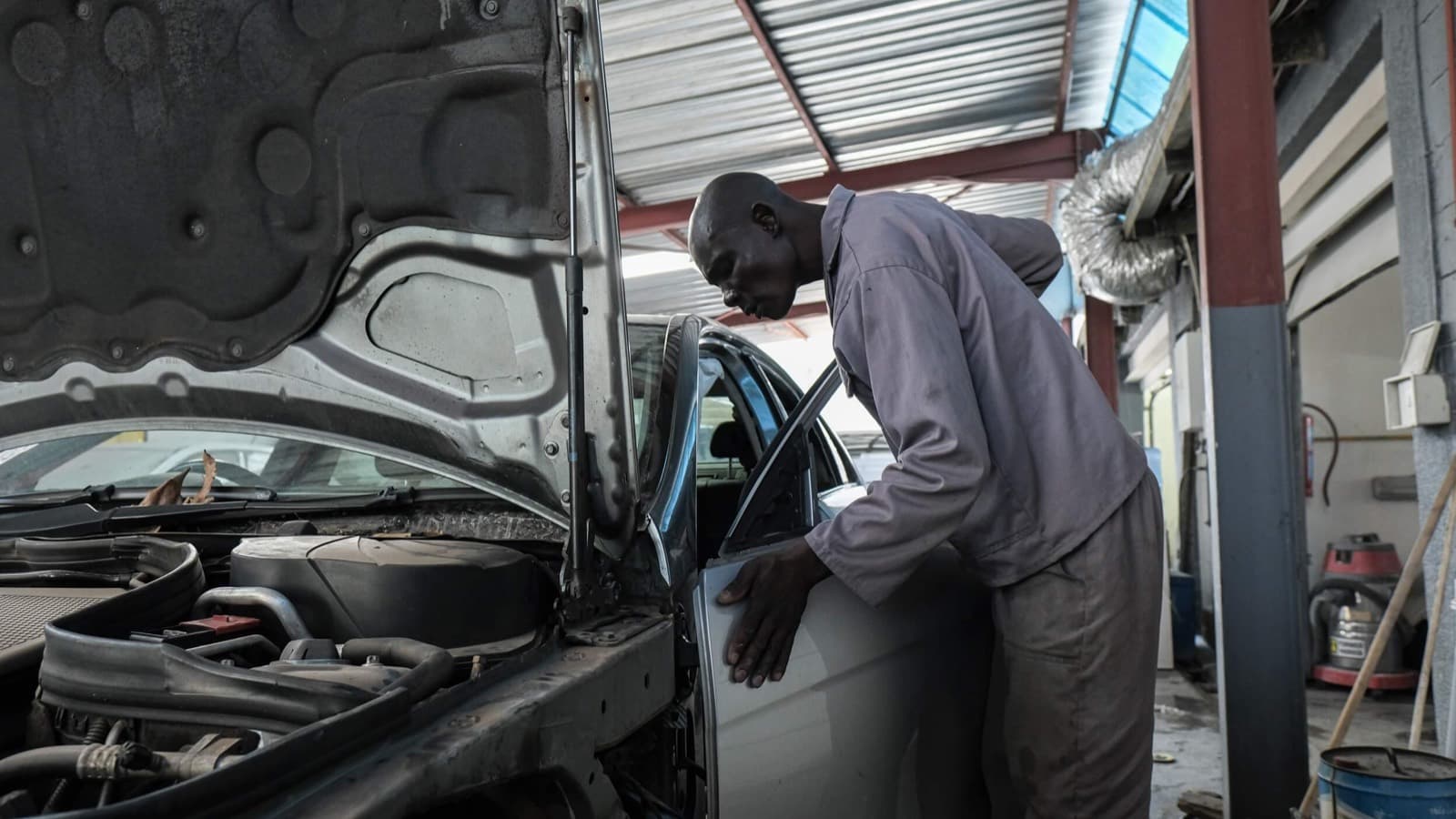
In South Africa the process runs like this: you get a repair quote from a panel beater, you submit that quote to your insurer and complete their claim forms, the insurer sends an assessor to inspect the car and quote, and once they approve, the repair goes ahead. You manage the claim with your insurer throughout. It is worth knowing your rights here: under the Competition Commission's right-to-repair guidelines you can generally choose your own repairer, and an insurer cannot force you to use theirs. The main exception is a car still under manufacturer warranty, which may need an approved repairer to keep that warranty intact.
Get a repair quote and choose who fixes your car
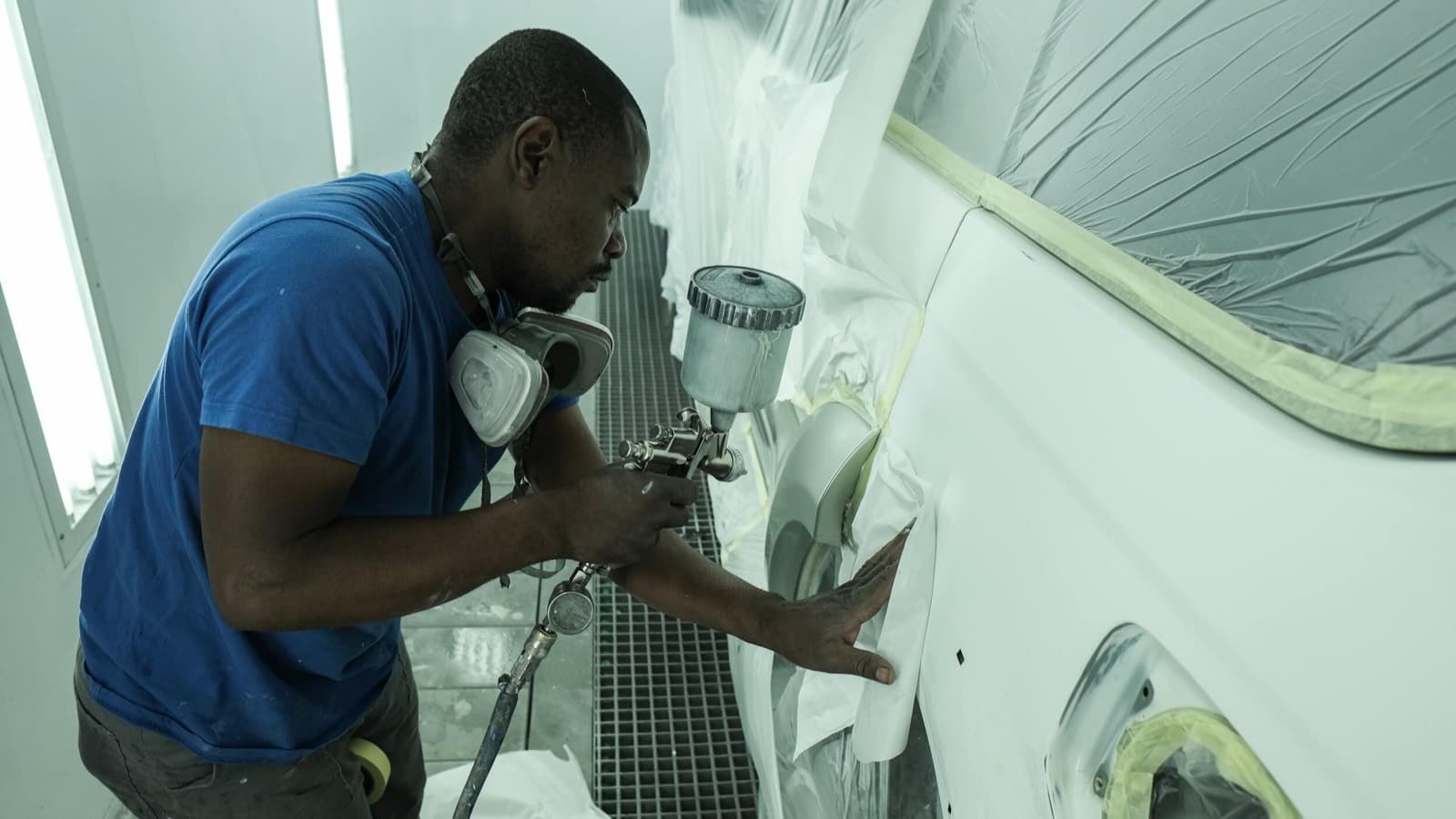
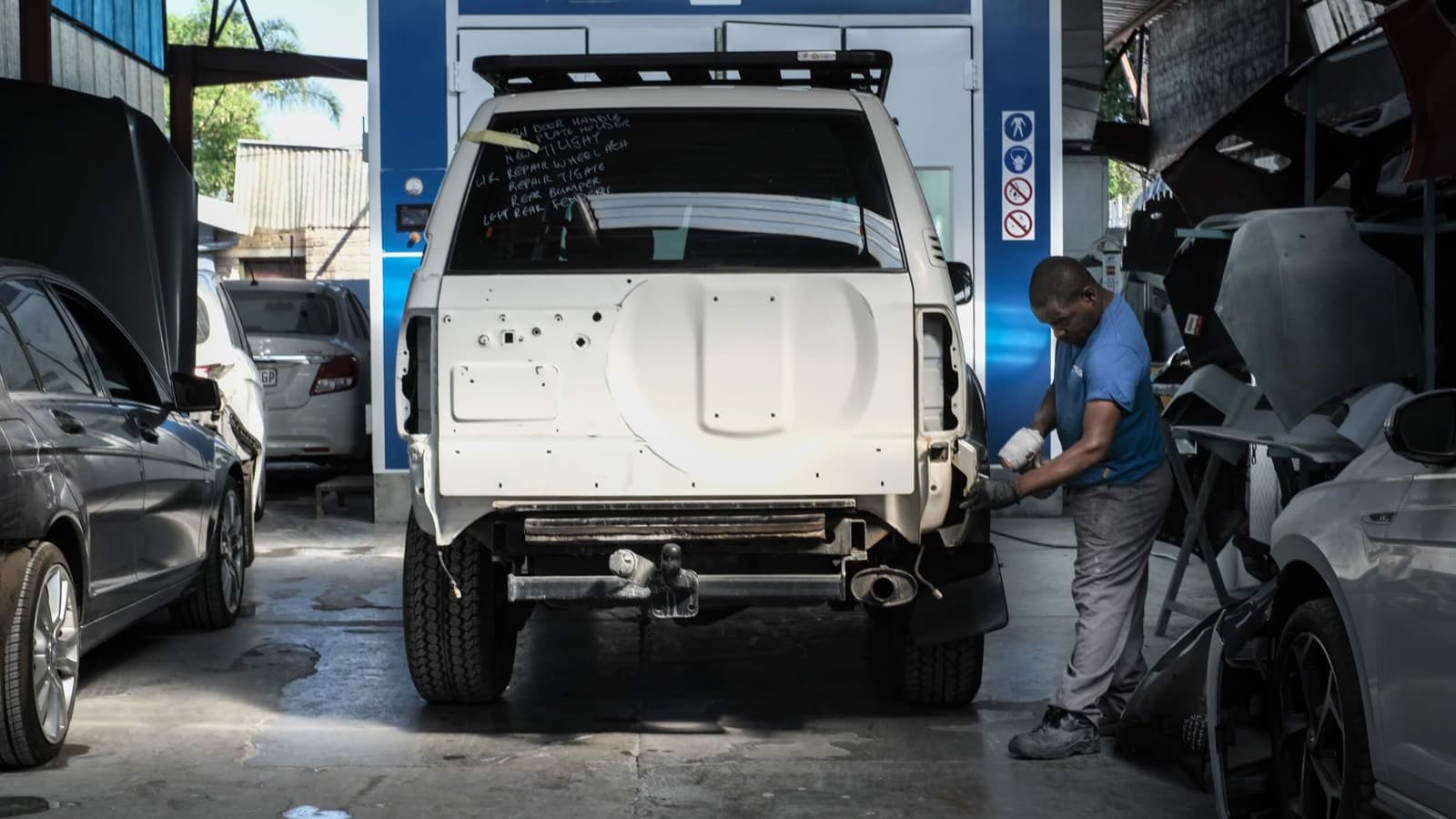
Once the immediate steps are done, arrange a free, itemised repair quote. A proper quote breaks down parts, paint and labour so you and your assessor can see exactly what the work involves. What drives the cost is the extent of the damage, the panels and parts affected, whether structural or safety components are involved, and the finish your paintwork needs to match.
There is no fixed timeline for every job, but a good repairer gives you a firm completion date with the quote, and most minor repairs are done in days rather than weeks. When you are ready, you are welcome to bring your quote to a panel beater you trust. Brilliant Shine has been owner-led by Fred Fourie in Randburg since 1998, carries a 4.8-star Google rating across more than 88 reviews, and backs its work with a written 12-month workmanship warranty. Take a breath: the car is fixable, and the steps above put you firmly back in control.
Ready when you are
When the dust settles, we can take it from the quote onward. See how insurance repairs work at Brilliant Shine, or send us a photo for a free quote and we will sort the rest.
Frequently asked
You must report it if anyone was injured or killed, or if you damaged someone else's property and could not exchange details at the scene. Even for small knocks, reporting within 24 hours is the safe habit, and your insurer will usually want the case or AR number.