If your car has picked up a dent, a door ding in a parking bay, a hail-battered bonnet, or a knock from a runaway trolley, you may have heard two very different repair terms: paintless dent removal (PDR) and conventional dent repair. They sound similar, but they are quite different jobs, and choosing the right one affects the cost, how long the work takes, and whether your car keeps its original factory paint.
This guide explains what each method actually involves, when each one is suitable, and how to work out which your car likely needs. The short version: the state of the paint on the dent usually decides it.
The short version
- Paintless dent removal (PDR) massages a dent out from behind the panel and keeps your original factory paint, so it is quicker and usually more affordable.
- Conventional fill-and-respray is the correct method once the paint is cracked, chipped or scratched, or when the dent is creased, very large, or on a hard-to-reach body line.
- Hail damage and clean door dings are classic PDR cases; sharp creases and broken paint need a respray.
- Cost depends on the dent's size, depth and location, the number of panels, and your paint colour, so get a free itemised quote rather than trusting a phone estimate.
What paintless dent removal (PDR) actually is
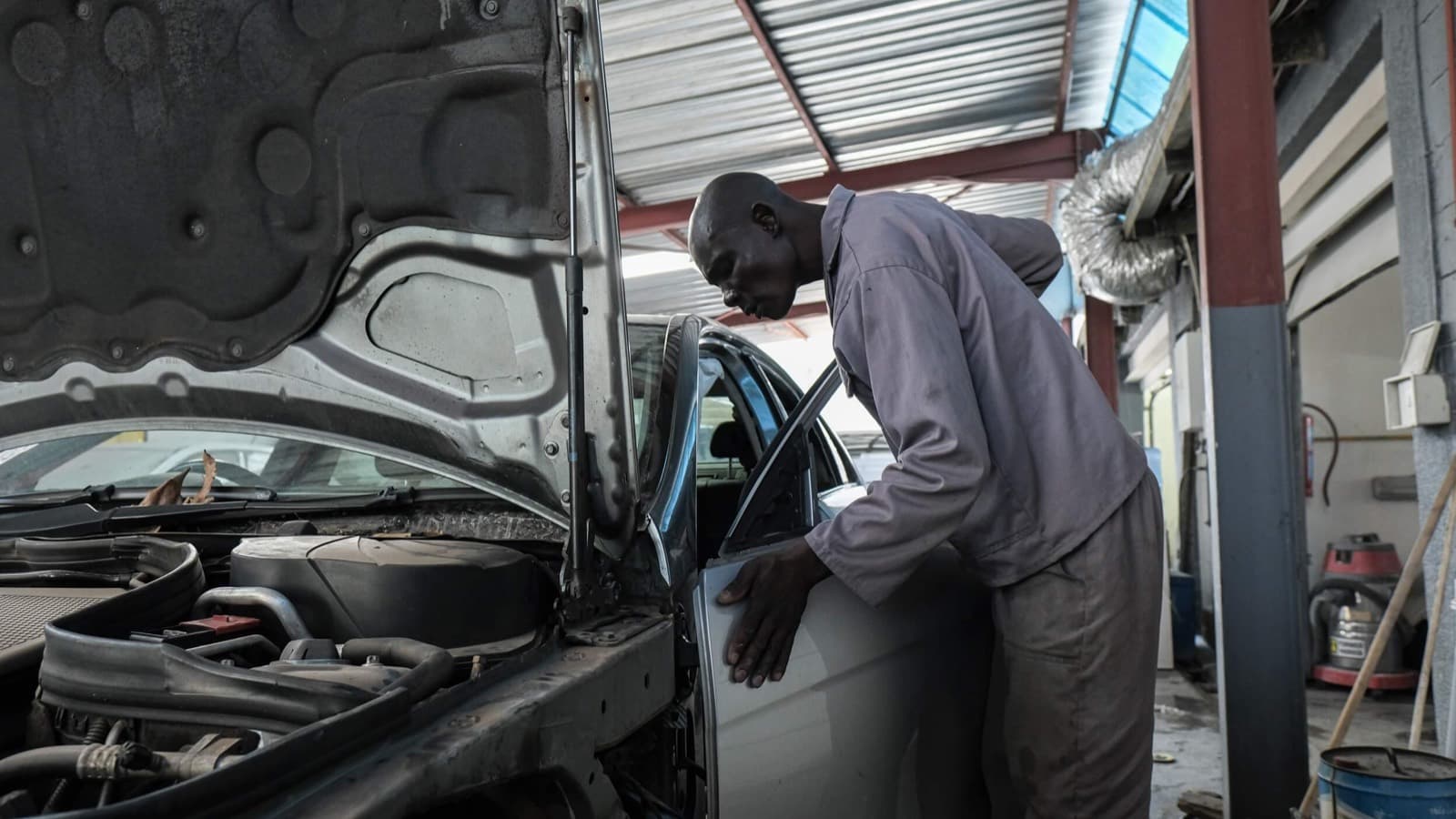
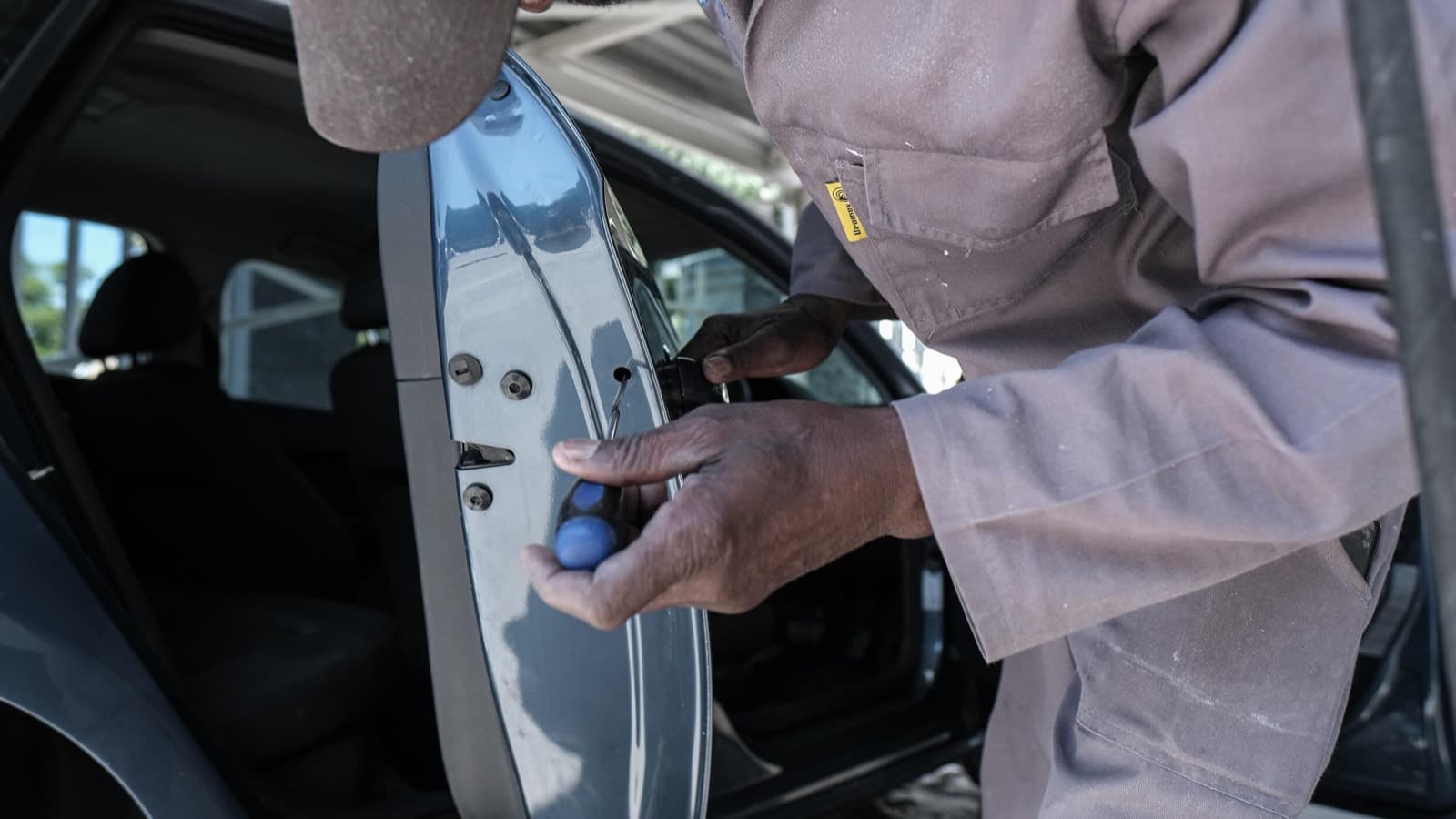
Paintless dent removal is exactly what it sounds like. A technician gently massages the dent back out from behind the panel using specialised rods and tools, or lifts it from the outside with tabs and a puller. No filler is used, and nothing is resprayed. The panel is coaxed back to its original shape while your factory paint stays completely untouched.
Because the original paint is never disturbed, PDR keeps your car's finish 100 percent original. That matters for the long-term look of the panel and for resale, since a car with all its factory paint intact is generally easier to sell and value. It is also the reason PDR is usually quicker and gentler on your budget than a respray.
What conventional dent repair involves
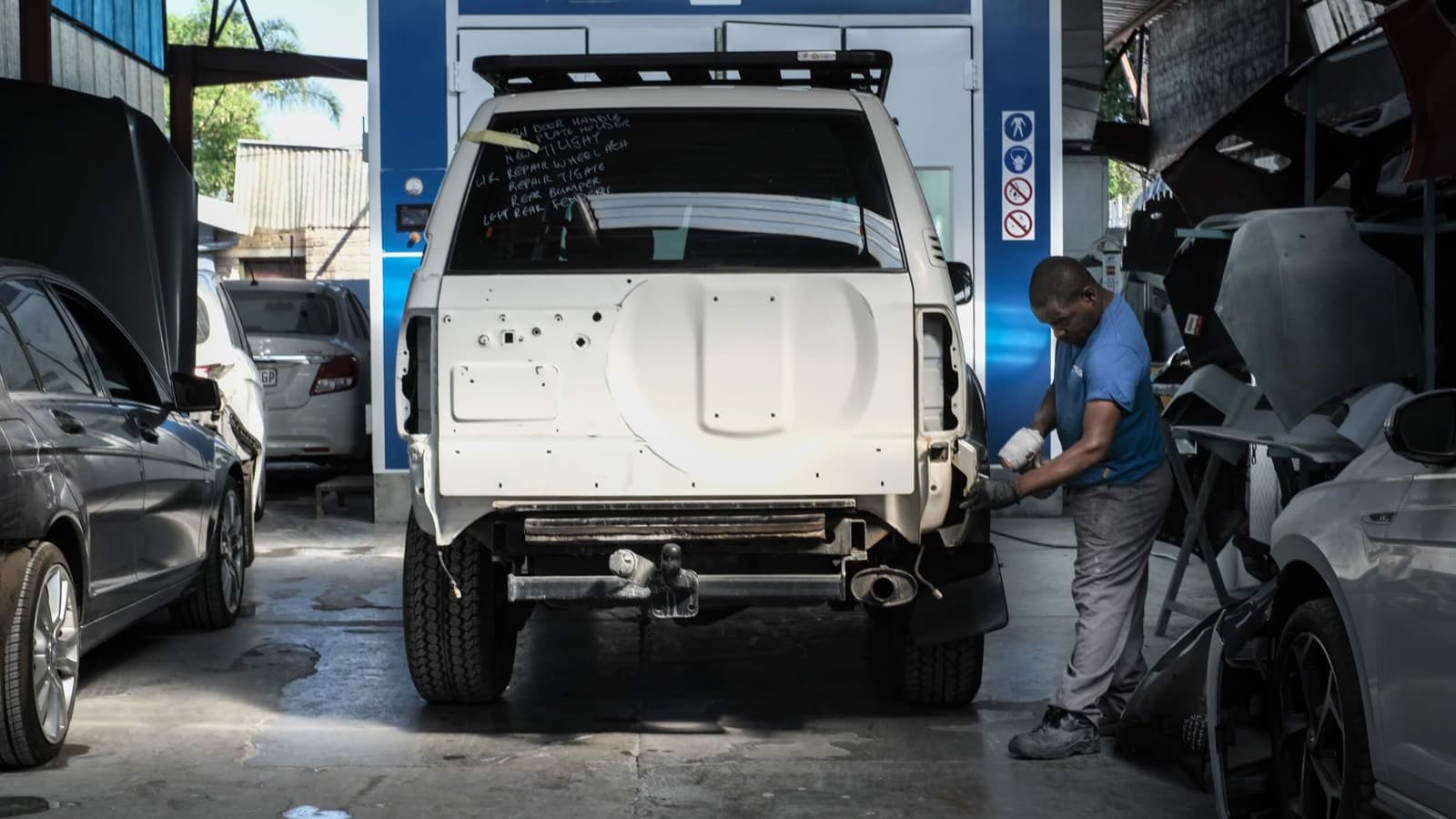
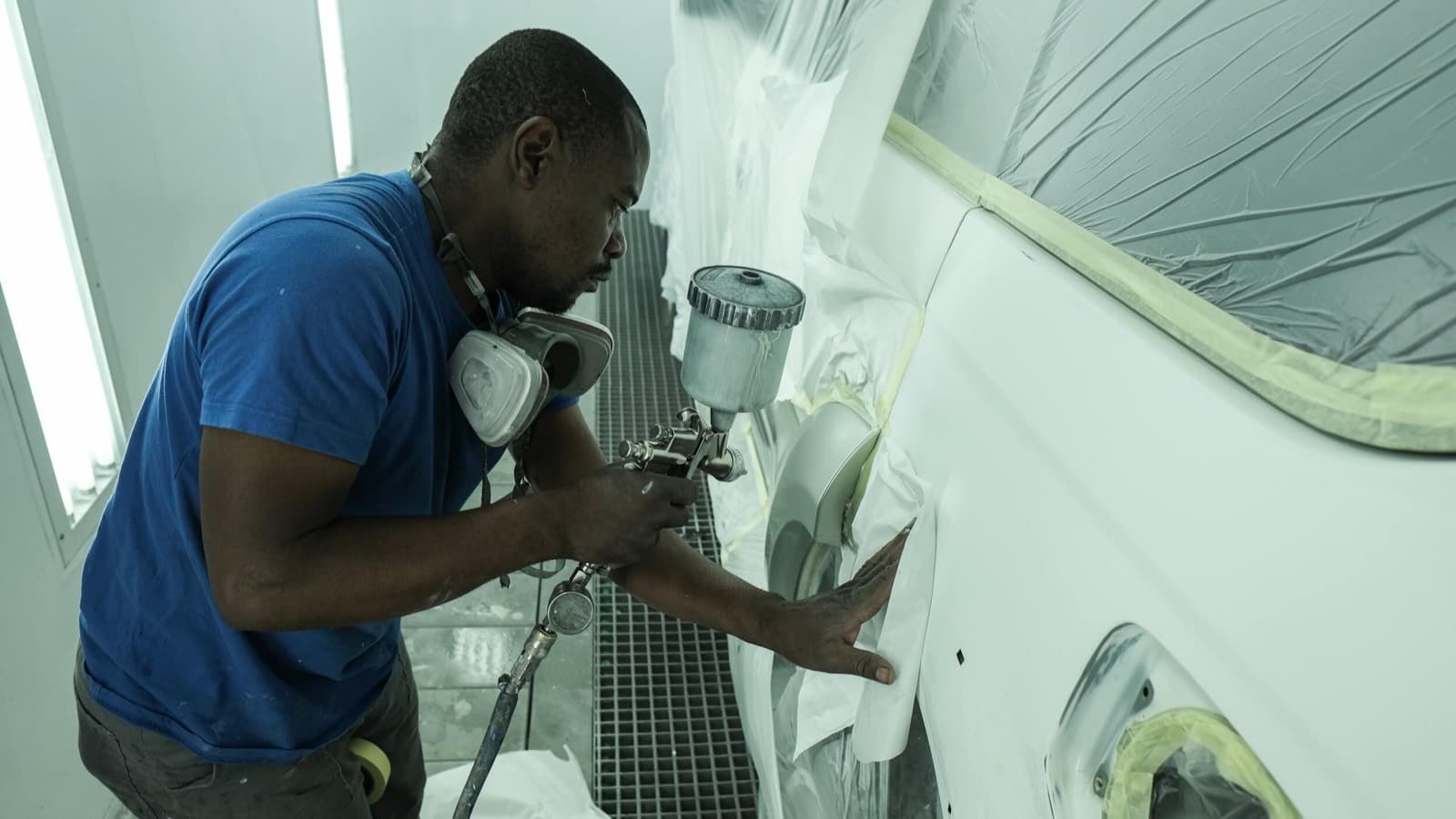
Conventional repair is the fill-and-respray method most people picture when they think of panel beating. The panel is worked back towards shape, any damage is smoothed with body filler, the area is primed, then colour-matched paint is applied and blended into the surrounding panels, and the whole area is cleared and polished.
This is a more involved process and takes longer, but it is the only correct route once the paint itself is compromised. A skilled respray, colour-matched to your car and blended properly, is close to invisible when done well, which is where an experienced hand and a proper paint process earn their keep.
When PDR is the right choice
PDR works when the paint is still intact and unbroken. It is ideally suited to smaller, rounded dents where the metal has stretched but not torn or cracked.
- Door dings and car-park knocks where the paint has not chipped.
- Hail damage, which is often lots of small, shallow dents spread across the bonnet, roof and boot. Hail is one of the best cases for PDR because the dents are typically rounded and the paint stays whole.
- Minor dents on accessible panels, where a technician can reach behind the panel to push the metal out.
If the paint on and around the dent is smooth and unbroken, there is a good chance PDR can restore the panel without a drop of new paint.
When conventional repair is needed
Some damage is beyond what massaging can fix, and forcing PDR would only leave a poor result. Conventional fill-and-respray is the right call when:
- The paint has cracked, chipped or scratched through to the primer or metal. Once paint is broken, it has to be redone.
- The dent has a sharp crease or a stretched, folded edge, which PDR cannot smooth out cleanly.
- The dent is very large, or sits on a body line, seam or an area the tools cannot reach from behind.
- There is rust, or the panel has been previously repaired or filled.
In these cases a proper respray is not a compromise, it is simply the correct method for the damage.
Cost, originality and getting honest advice
We do not quote fixed Rand figures online, because the right price depends on your specific car. The main factors are the size, depth and location of the dent, how many panels are affected, whether the paint is intact, your paint colour and finish (metallics and pearls take more skill to match), and whether any parts or trim need removing to reach the damage. The fair way to know is a free, itemised quote after we have seen the car.
As a rule of thumb, when PDR is genuinely suitable it is usually the more affordable route and it preserves your original factory paint. But it is not always possible, and no honest shop should promise it before inspecting the damage. At Brilliant Shine we will tell you plainly which method your car actually needs, even if that is the simpler, cheaper one. We have been owner-led by Fred Fourie since 1998, we back our work with a written 12-month workmanship warranty (paintwork per the paint manufacturer's warranty), and our 4.8-star Google rating across 88-plus reviews reflects that straight-talking approach.
Every quote comes with a firm completion date. Most minor dent work is measured in days, not weeks. Bring the car in or send us a few clear photos and we will tell you honestly what it needs.
Not sure which your car needs?
We will tell you honestly whether paintless dent removal or a conventional repair suits your car. See our dent and scratch repair service, or send a photo for a free quote.
Frequently asked
No. PDR is done specifically to avoid touching the paint. The technician reshapes the metal from behind (or lifts it with tabs), so your factory finish stays completely original. That is one of its biggest advantages, provided the paint was intact to begin with.